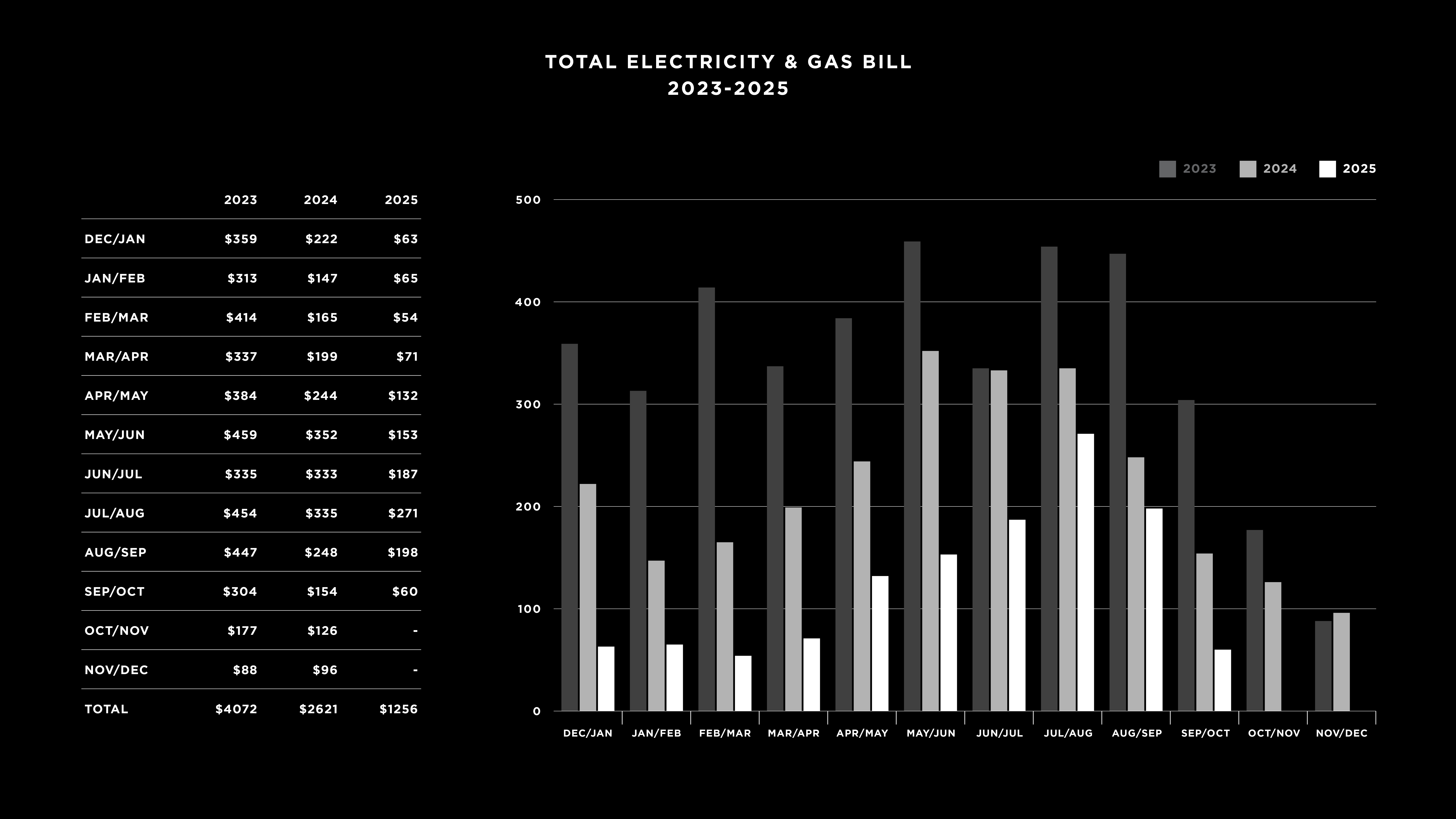
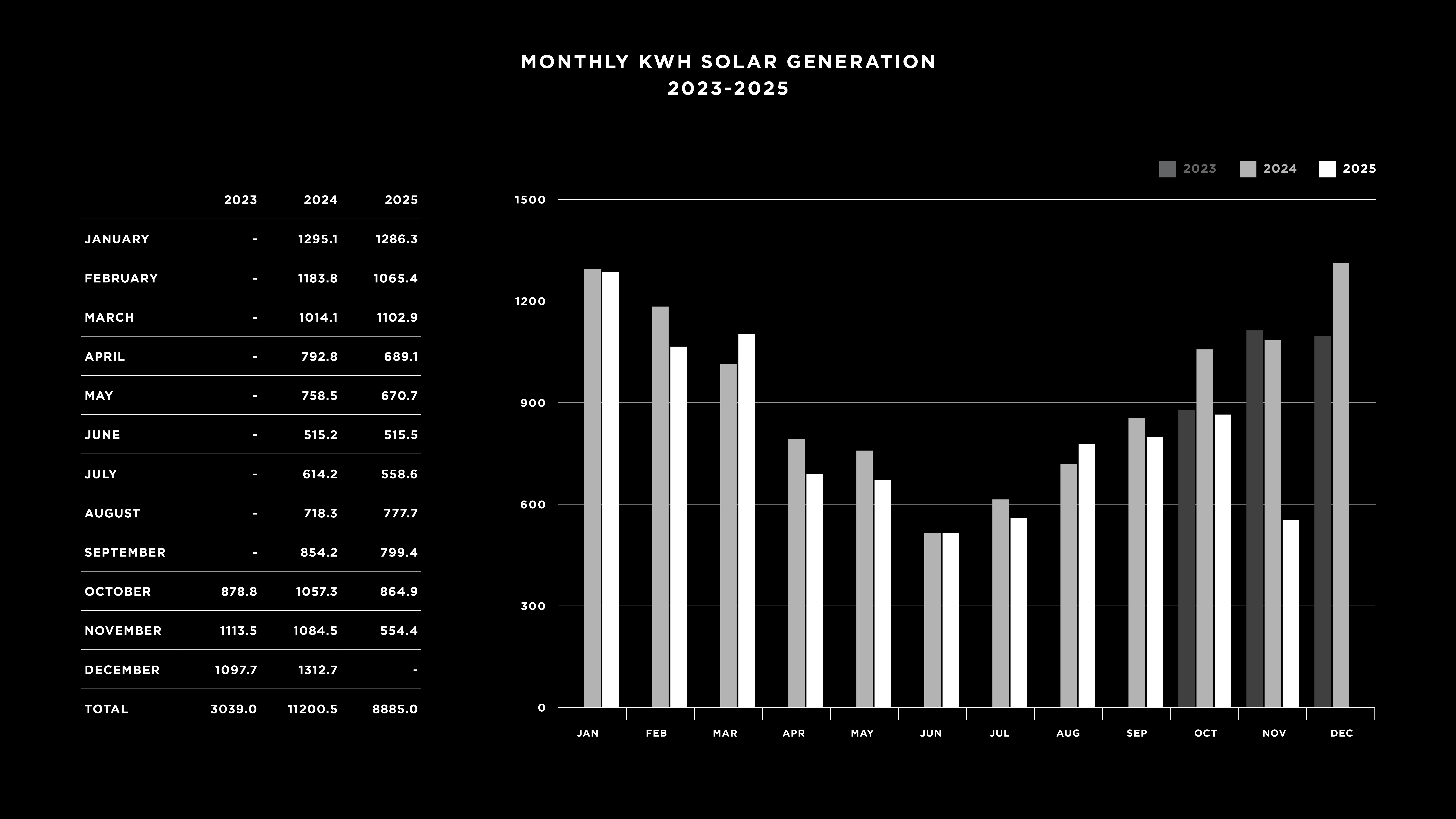
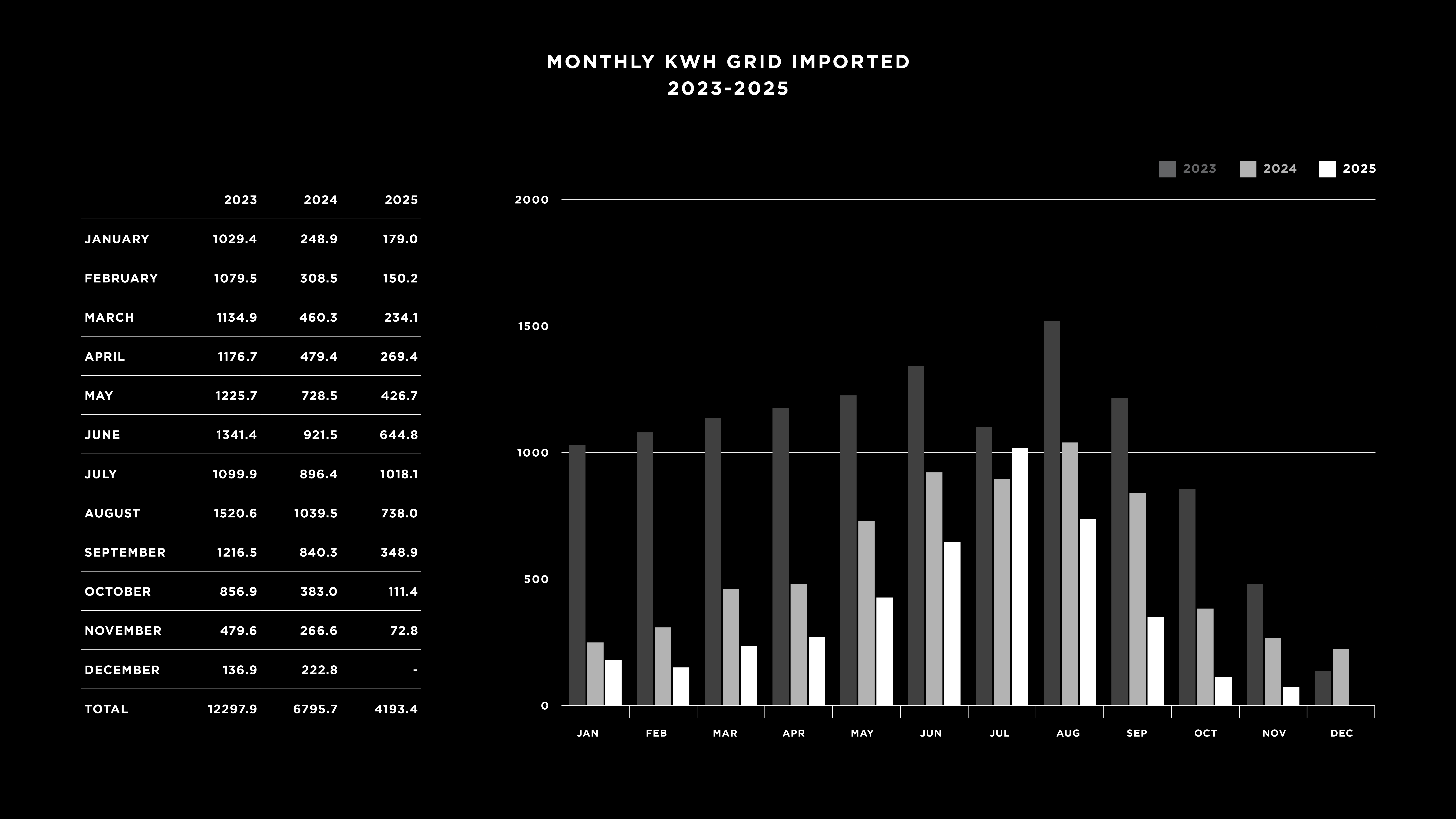
For one Auckland homeowner, a staged transition to solar panels, battery storage and heat pump hot water over a two year period has reduced energy bills by 65%.
With an new EV, a swim spa pool costing an estimated $100 p/m to run, and with electricity prices rising, David Thackery, a Fisher & Paykel Home Solutions customer, decided it was time to seriously look into a solar PV system.
In the third in our Why Solar series, David shares how he made solar work for his household’s needs, timeline and budget – saving money, and living smarter, through a phased custom whole-of-home solution.
Harnessing a sunny site
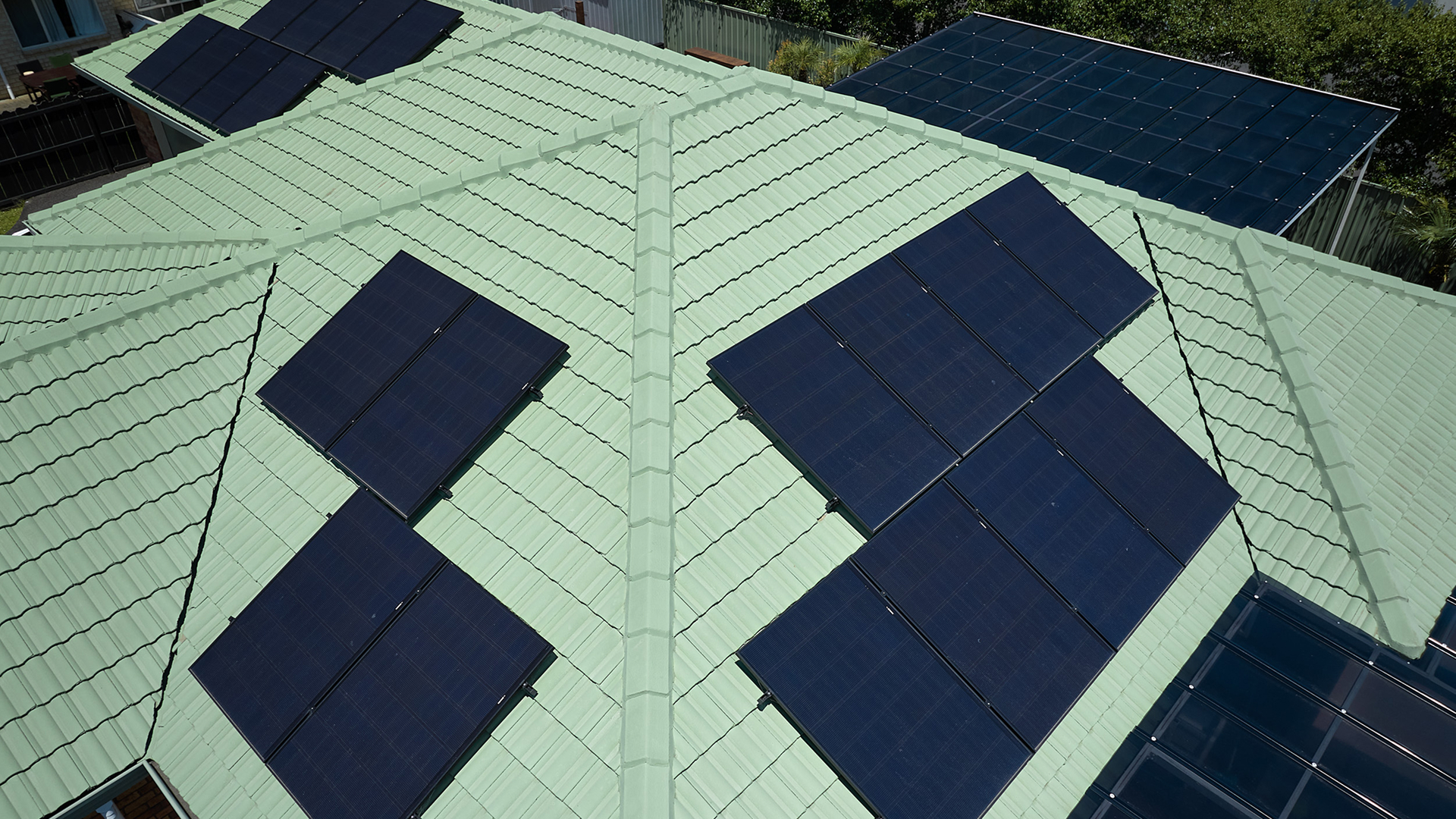
David’s property – a single-level brick and tile home on a 720 square metre section – presented an almost ideal canvas. Unobstructed by neighbouring buildings or mature trees, the roof receives generous sun exposure throughout the year.
Before the transition, the home ran on a combination of electricity, gas and heat pumps. It was functional, but increasingly costly. Rising electricity prices and the ongoing expense of heating a swim spa pool had begun to shift the calculus. When the decision came to replace his wife’s car with an EV, the question of how to power it efficiently brought the household’s broader energy future into focus.
A solar system built in stages
Working with Fisher & Paykel Home Solutions, David developed a plan that didn’t require everything to happen at once – a considered, phased approach that made the investment both manageable and strategic.
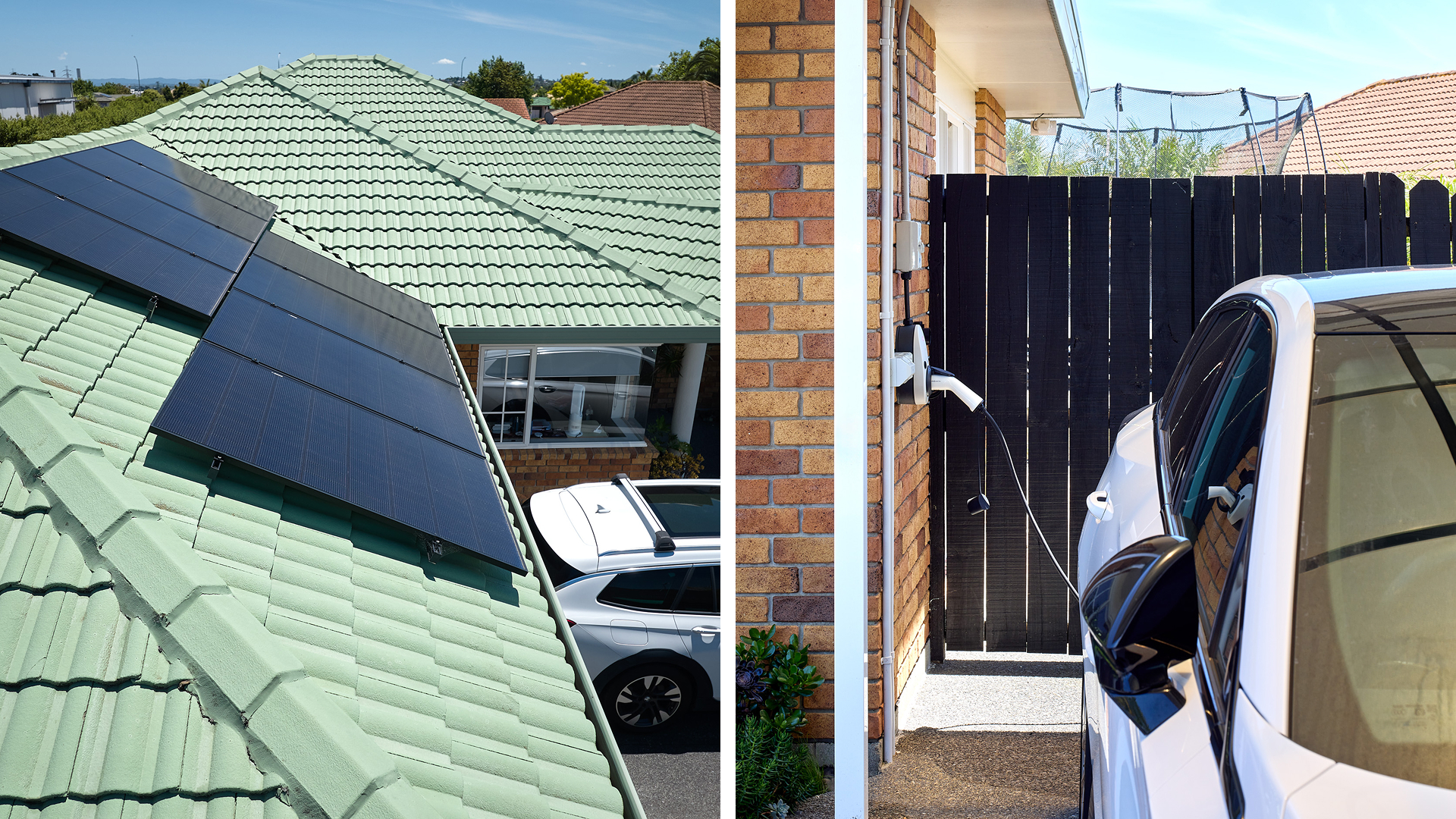
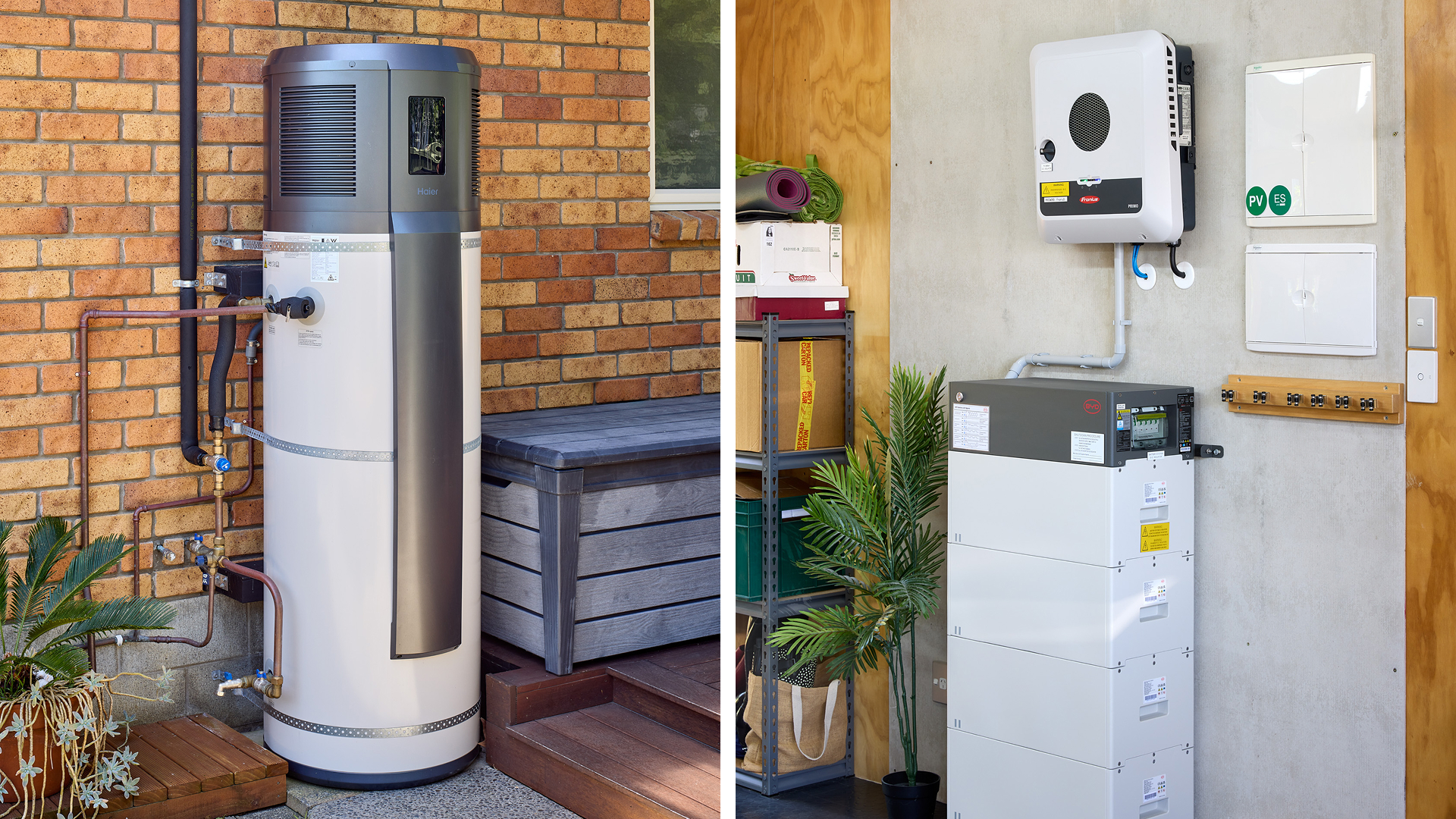
Stage 1 brought 20 solar panels across three roof arrays, along with an EV charger. Stage 2, approximately a year later, added an 11-kilowatt battery and a heat-pump hot water system to replace the ageing gas cylinder.
“I think many people assume solar has to be one large upfront cost,” David reflects. “But you can treat it as a journey rather than a single purchase.”
He also chose to install more panels than initially proposed – a decision informed by practicality. “Once your roof is configured, you really don’t want to revisit that decision later.”
His one significant concern going in was the concrete tile roof, and the question of how penetrations would be managed. It was addressed directly. “All my questions were answered quickly and in detail. I spoke with the installers themselves, and after my own research, I felt confident.”
A worthwhile journey
The original payback estimate sat at seven to nine years. That projection, however, didn’t fully account for EV charging savings or the step-change in hot water costs. David now expects to reach that point in seven years or fewer – a timeline that becomes more favourable as energy prices continue to rise.
The household’s EV travels approximately 10,000 kilometres annually, charged almost entirely from solar generation or stored battery power. In two years, they have had no need for a public charger.
The battery, he notes, was the piece that brought everything together. “It charges during the day and powers the house at night. We only draw from the grid between about 3am and 9am, when usage is low anyway.”
Optimising off-peak times
The transition hasn’t meant using less – it’s meant using thoughtfully. The washing machine and dishwasher run during daylight hours. The swim spa heats between 11am and 2pm. Heavy consumption after sunset is avoided where possible. LED lighting has quietly replaced every older globe in the home.
“On a rainy day, you notice how much you rely on the grid,” David admits. “But over a full year, the averages are very good.”
A story worth sharing
Beyond the financial returns, David has found unexpected value in simply sharing the experience. Several friends and family members have since made the switch after conversations with him. One extended the thinking to a commercial building.
“I'm happy to share honest feedback,” he says. His advice is straightforward: install as many panels as your roof can accommodate, add the battery when the time is right, and take a serious look at removing gas in favour of heat-pump hot water.
After two years, David’s solar system has become unremarkable in the best possible sense – a reliable, whole-of-home energy solution that continues to deliver.
David Thackery is a Fisher & Paykel Home Solutions customer based in East Tāmaki, Auckland.